
IN THIS ISSUE
8 MIN READ
The First-Timer's Complete Guide to Sri Lanka
Sri Lanka rewards the traveller who arrives knowing what they are walking into. Not in a clinical, itinerary-ticking way, but in the quieter sense of understanding the rhythms of the place — when the south coast sleeps and the east coast wakes, when the hill country is sharp and cold and why that matters, what the food is really about and which version of it you actually want to find.
The island is small enough that you can drive from the southern tip to the northern peninsula in a single long day, and diverse enough that those two points feel like different countries. That contrast — tropical beach to ancient fort to misty highland to jungle — is what makes Sri Lanka so consistently surprising, even for those who have visited many times.
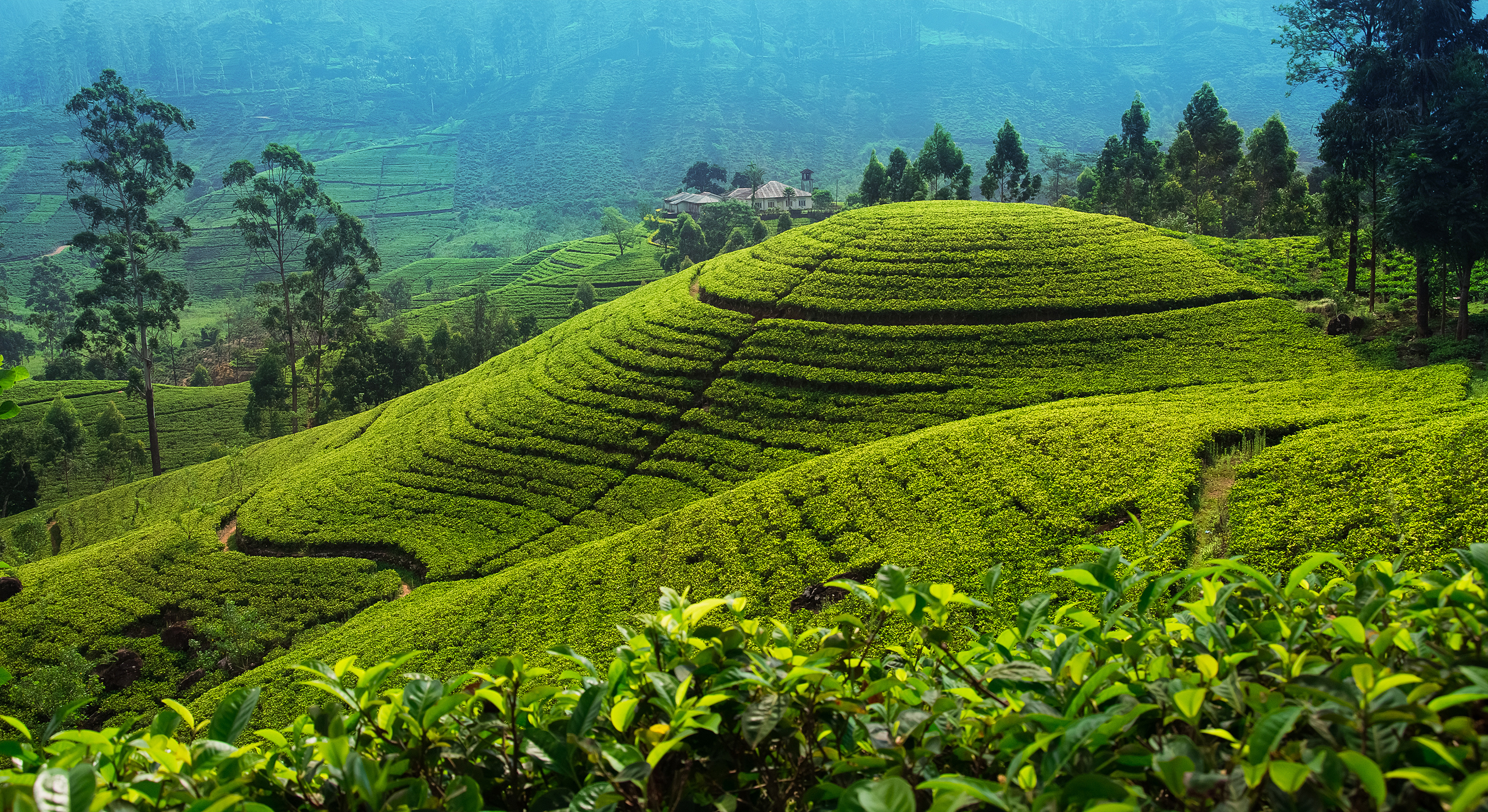
The question of when to go is more nuanced than most travel guides suggest. The short answer is that the southwest and hill country are best from November to April, while the east coast shines from May to September. The longer answer is that Sri Lanka rarely has purely bad weather anywhere — rain tends to arrive in afternoon showers rather than week-long soakings — and the fewer tourists on any given stretch of coast are worth considering as a variable in their own right.
Where you stay shapes everything. The difference between a beach hotel in Mirissa and a converted colonial property in Galle's fort district is not just about amenities — it is about the texture of your days. Galle means waking to church bells and walking the ramparts before breakfast. Mirissa means surfing, fish restaurants and the kind of slow, sun-dazed ease that Sri Lanka's south coast does better than almost anywhere else.
“The most memorable moments happen in the unscheduled gaps. Build those in.”
— The Drifted Trails Team
The food question is too often answered with a shrug or a warning about spice. Sri Lanka's cuisine is one of the great unsung traditions in Asian cooking — built around freshly ground coconut, dozens of varieties of rice, jackfruit, drumstick leaves, dried Maldive fish and a repertoire of curries that changes with every district and family kitchen. The mistake most first-timers make is eating in the hotel restaurant for the first few days while they find their feet. Eat out immediately. Find the kades and small places where the rice and curry is served on a plate the size of a cartwheel.
One final note on pace. Sri Lanka is a place that punishes rushing. The roads are slower than you expect, distances are further in time than they appear on a map, and the most memorable moments — the conversation with the tea estate worker, the troop of toque macaques crossing the road, the moment a stork lifts off from a lagoon at dusk — happen in the unscheduled gaps. Build those in. Leave the last item on each day's list undone. That gap is usually where Sri Lanka does its best work.
PLAN A JOURNEY AROUND THIS →EXPLORE THE JOURNAL